There are plenty of threats that people associate with a major disaster. Infection, however, is rarely one of the first threats to come to mind. Nevertheless, it is one of the most dangerous. In the absence of modern medicine and modern conveniences, deadly infections will run rampant, potentially killing millions of people.
Below is a list of the most common deadly infections you are likely to contend with after the SHTF, as well as how to treat them. If you are squeamish, then be warned that the lists of symptoms below could put some disgusting images in your head, but this information is very important considering how many people are likely to die from infections in an SHTF scenario.
1. Dysentery
Dysentery is a colon infection that can be caused by a number of things including bacteria, parasites, viruses, and even protozoa.
Symptoms of dysentery include severe diarrhea, bloody stool, abdominal pain, and fever. The infection is spread mostly through the consumption of contaminated food or water, though it can also be spread by coming into contact with someone who has the infection.
If you come down with dysentery, your first and foremost goal should be to stay hydrated. Diarrhea alone kills countless people each year because of the dehydration it causes, meaning it’s essential that you drink plenty of fluids, not only to flush out the infection but also to avoid dehydration.
You’ll also want to take antibiotics and/or diarrhea pills if you have them. To prevent coming down with dysentery, be sure to boil your drinking water and only eat food from trusted sources.
2. Cholera
Like dysentery, cholera is a gastral infection that is contracted by drinking contaminated water. Rather than infecting the colon, though, cholera is an infection of the small intestine.
The symptoms of cholera include severe diarrhea that is clear/white in color and vomiting clear fluid. As with dysentery, the biggest threat of cholera is the dehydration and electrolyte imbalance caused by fluid loss through vomiting and diarrhea. If left untreated, about half of individuals who come down with cholera will die from the infection.
If you are experiencing the symptoms of cholera, be sure to stay hydrated and take antibiotics and diarrhea pills. To avoid cholera, boil or otherwise purify all the water you drink and only eat from food sources that you trust.
3. Norovirus
Norovirus is a highly contagious gastral infection that can be spread through the air as well as through the consumption of contaminated food and water.
Symptoms of norovirus include nausea, vomiting, watery diarrhea, and abdominal pain. There is no vaccine or proven treatment for norovirus, and the recommended treatment is simply supportive care such as resting and drinking plenty of fluids.
To avoid norovirus, be sure to purify your water and eat only trusted food sources, though given how contagious this infection is, it can be difficult to avoid even if these measures are taken.
4. Pneumonia
Pneumonia is a respiratory infection that can be brought on by a number of bacteria, viruses, and fungi. In most cases, the diseases that could lead to pneumonia are treated and eliminated before pneumonia ever has a chance to take hold. If left untreated, though, non-fatal colds and cases of flu can quickly turn into fatal pneumonia.
Symptoms of pneumonia include sharp chest pain, wheezing, difficulty breathing, fever, and chills. If the lungs fill up with too much fluid due to pneumonia, the infection could be fatal.
If you come down with pneumonia, it is best treated with a combination of antibiotics as well as oxygen in order to make up for the reduced amount of air you are able to inhale. The best treatment for pneumonia, however, is prevention.
Treat every cold and flu seriously no matter how minor it may seem and do your best to knock it out before it is able to transition into a case of pneumonia.
5. Tetanus
In the developed world, tetanus is quite uncommon. Being punctured by a rusty metal object certainly isn’t an everyday occurrence, and even if you do suffer an injury that makes tetanus a concern, tetanus vaccines are readily available.
However, in a disaster scenario where the likelihood of an unsanitary injury is much higher and access to the vaccine is no longer an option, tetanus becomes a much more serious concern.
Symptoms of tetanus include difficulty swallowing, stiffness in the neck and jaw, fever, high blood pressure, and sweating. If untreated, tetanus can make it extremely difficult to breathe, eventually leading to death.
In the absence of a tetanus vaccine, antibiotics can be used to treat tetanus with varying degrees of effectiveness. The best way to treat tetanus, though, in the absence of a vaccine is to try and prevent it by thoroughly cleaning any wound with alcohol or another antiseptic and covering it with a bandage.
6. Tuberculosis
Thanks to modern medicine, tuberculosis cases are extraordinarily rare in developed countries. In the developing world, though, tuberculosis is still a common and dangerous killer. Should a major disaster set the country back to a third-world state, tuberculosis could make a frightening comeback.
Symptoms of tuberculosis include blood-tinged coughing, night sweats, fever, and weight loss. Compared to most deadly diseases, though, the symptoms of tuberculosis can appear minor at first, making them hard to spot. Tuberculosis is a slow killer, but it is an efficient one nevertheless.
In the absence of modern medicine, there is no proven treatment for tuberculosis. Unless the right antibiotics are administered at the right times on the right schedule, the infection will develop an antibiotic resistance and become impossible to cure. This makes avoiding tuberculosis the best course of action in an SHTF scenario.
Take precautions when you’re around other people, especially if they are exhibiting signs of tuberculosis such as a bloody cough.
7. E.Coli
Many efforts have been taken within the agricultural industry and water sanitation industry to prevent the spread of the deadly bacteria E.coli. In a scenario where people begin to get their food and water from less trustworthy sources, though, E.coli infection becomes a major concern.
Symptoms of E.coli infection include nausea, vomiting, stomach cramps, bloody diarrhea, and a fever in excess of 100 degrees Fahrenheit. Thankfully, E.coli infections can often be treated with only home care, making this one of the more survivable diseases that you are likely to encounter in a disaster scenario. Plenty of fluids and bed rest is most likely all it will take to ride out the infection.
To prevent coming down with an E.coli infection in the first place, boil or otherwise purify your water and try to only eat food from trusted sources.
8. Measles
Modern medicine has almost wiped out the threat of measles entirely, and the World Health Organization projects that the disease could be eliminated completely by as early as 2020. Should a major setback come between now and then, measles would be poised for a deadly comeback.
Measles is highly contagious, meaning that all it would take for an outbreak is a few infected individuals in a world where measles vaccines are no longer prevalent.
Symptoms of measles include pain in the muscles, a skin rash, fever, sore throat, and a cough. Measles can also lead to blindness, encephalitis, and fatal respiratory infections. Short of preventing measles with a vaccine, there is no proven treatment for the infection. Fever reducers and vitamin A can be used to reduce its symptoms, though.
The best course of action for avoiding measles in the event of an outbreak is to follow good hygiene practices and avoid anyone with a skin rash resembling that caused by measles.
9. Flu
Even today and even in modern countries, the flu is incredibly common. What sets this infection apart and makes it so difficult to prevent is the rate at which it mutates. Every year, a new flu vaccine must be developed in order to prevent the latest mutation, and even then there is a lot of guesswork involved in regards to which form the virus will take.
There are two factors, however, that make the flu much more of a concern in an SHTF scenario: lack of vaccines and lack of treatment. In a scenario where the healthcare community is unable to develop a vaccine for the flu’s latest mutation, flu outbreaks are likely to become much more common. If left untreated, the flu can be fatal – especially in the elderly and the young.
Symptoms of the flu include aching muscles, chills, fever, sweating, and congestion.
All of this is bad enough, but it also assumes that the flu will take a form similar to the form it takes each year. The reality is, there are much more serious forms that the flu can take. In 1918, the Spanish flu infected an estimated 500 million people – one-third of the world’s population – and killed an estimated 50 million of those that it infected.
There is another strain of flu, though, that could dwarf the lethality of the Spanish flu – avian flu. The mortality rate of avian flu sits at a terrifying 60% – and that’s with modern medicine and appropriate treatment.
The only thing keeping avian flu from being a world-ending threat is the fact that it is very difficult to spread. However, a few mutations could change that in a matter of years.
Suffice it to say that the flu will be a major concern in an SHTF scenario, even if it is in its common, easily treatable form. If, however, we are hit with a pandemic of a flu strain such as avian flu in a world already crippled by another disaster, the results could easily be apocalyptic.
All of this should remind you how crucial it is to purify water and keep yourself clean when the SHTF. Here are some resources to help you:
Pioneer life was not easy and the daily chores of managing a house where more than a full time occupation.
Cooking was a major part of each day. Early settlers butchered their own meat and made corned beef, sausage, smoked and dried meats. Large gardens yielded produce for canning, pickling and other preserves. Root cellars stored potatoes, carrots, and onions. Milk was separated into cream for butter and baking and milk for drinking. Breads, cakes and pies were of course all baked at home from scratch from whatever was available.
For the most part meals were informal and the food hearty. Nothing was wasted. Dried bread was made into bread pudding; a bone was turned into soup and extra milk was made into pudding or cheese. Often there was a shortage of some ingredient. As you will see from the recipes, many are based on very basic ingredients and several on how to make a meal with only a few ingredients. Recipes would not only be for food but also for perfume, home remedies, wine and soap making.
Preparedness Hacks: Once a nuke is heading your way, you might think that there isn’t much left to do, but you would be wrong!
Recipe books were not common and cooking was very much a passed down art or trial and error. It is interesting to read recipes from this period, as often they are vague and written with a few small hints that only the person who wrote them would understand.
Pioneer women who had to decide what few precious things to carry across the plains surely made one choice in common—their own individual collection of “receipts,” as recipes were then called. For them, these were reminders of a security left behind and a hope for the abundance of the future. In the interim, they simply did what they had to do to keep their families alive.
Many early memories of pioneer food concerned the frugality with which the Saints lived: “We lived on cornbread and molasses for the first winter.” “We could not get enough flour for bread … so we could only make it into a thin gruel which we called killy.” “Many times … lunch was dry bread … dipped in water and sprinkled with salt.” “These times we had nothing to waste; we had to make things last as long as we could.”
No doubt the “receipt” books were closed during these times, and efforts were given simply to finding food and making it go as far as possible.
But slowly, even out of this deprivation, recipes grew. The pioneer women learned to use any small pieces of leftover meat and poultry with such vegetables as they might have on hand—carrots, potatoes, corn, turnips, onions—to make a pie smothered with Mormon gravy.
Mormon gravy, common fare among the early settlers and apparently a creation of necessity expressly for the times, is still hearty and nourishing for many of this generation who like to make it with ground beef or frizzled ham or bacon and serve it over baked potatoes.
8 thick slices side pork (or thick-cut bacon strips)
4 tablespoons meat drippings
3 tablespoons flour
2 cups milk
Salt, pepper, paprika
Cook meat on both sides in heavy frying pan until crisp. Remove from pan and keep warm. Measure fat and return desired amount to skillet. Add flour and brown slightly. Remove from heat and add milk, stirring well to blend. Return to heat and cook and stir until mixture is thick and smooth. Season to taste. Serve with side pork on potatoes, biscuits, cornbread, or even pancakes.
Mud apples
This is a variation on a Native American cooking method.
You will need
4 large apples A bucket of mud
Coat the apples with about an inch of mud on all sides, being sure that the mud is of a nice thick consistency. When the fire has burned long enough to make some coals, have your adult help you to scoop some of the coals to the side. Bury the apples in the coals, and leave them there for about 45 minutes. Scrape away the cooled coals. Knock the dry cooked mud off of the apples and discard the skins. Spoon up the sweet steamy pulp for a surprising treat.
Some groups of Native American people used a mud coating on their food as a sort of oven. The steam from the mud would keep fresh-caught fish moist, and as it dried and became clay-like, it protected the food from burning. When the mud was peeled off, it took a lot of the fish scales with it. A delicious instant meal.
During a SHTF situation, pain could become an annoyance for some, but unbearable for others.
If doctors are scarce and medicine becomes even scarcer, this one little weed, found all over North America and similar to morphine, could be a saving grace.
Chuckwagon beans
This is a cattle trail recipe from the Midwest. Although this was originally done on the campfire, it might be best if you bow to modern convenience and do the cooking on a stove top.
You will need
A 16-ounce package of dry pinto beans 9 cups of water Two large onions, peeled and chopped up 2 teaspoons of salt ½ teaspoon of oregano ½ teaspoon of garlic powder, or two cloves of sliced garlic ¼ teaspoon of pepper 1 tablespoon of brown sugar or molasses (add this last, and put in a little more if you like.)
Wash the beans and heat them along with 6 cups of water ’til they boil for five minutes, then turn the stove off. Let them sit for an hour. Add three more cups of water and boil it all again. Now add everything else, stir it up, and cook it for about an hour.
Cowpokes on the drive west had to settle for foods which were portable. That meant a basic menu of beans and lots of meat. For a treat, there was cornbread, biscuits, or a sweetened rice dish. Pinto beans (which are small and spotted when raw, like a pinto pony) seemed to be the favorite. When cooked, these beans swell up and turn a sort of pinkish white. They were first given to the settlers by the natives on the Mexican border.
When you eat beans with rice or corn, the two foods mix up inside your body to create an important type of protein which is like the protein in meat. (Your body is made largely of protein, and so you need to eat a lot of it.) That’s why the native Southwestern people were so healthy with a diet of mostly beans and corn and not much meat.(Here are 23 survival uses for honey that you didn’t know about.)
Baked pocket yams
These were “handy” during the winter months, and not particular to any one area of the country.
Take several sweet potatoes, individually wrap them in foil, and surround them on all sides with mounded hot coals. Occasionally turn the potatoes. Cook till the sweet steam pipes out of the foil (about 45 minutes). Poke into the potato with a clean sharpened twig to check for doneness (the center will be soft).
When the potatoes are done, DON’T EAT THEM YET. Let them cool a bit, then slip one into each pocket to be used as hand warmers. These will keep you comfortable while you chat around the campfire. Pioneer mothers used to send their children off with these in the winter months to keep their hands toasty on the long walk to school. Then the kids would eat them for lunch. When you eat yours, you might want to use a dish and slather them up with butter.
Spotted Pup
Take whatever amount needed for hungry cowboys of fluffy, cooked rice.
Put in Dutch oven and cover with milk and well-beaten eggs. Add a dash of salt. Sweeten well with sugar.
Add raisins and a little nutmeg and vanilla.
Bake in slow oven until egg mixture is done and raisins are soft.
Jerky Gravy
Jerky, ground or chopped fine Little Fat or Grease Flour Salt & pepper Milk
Fry the jerky until done. Remove meat from grease, and add flour. Add milk, and salt & pepper. Cook gravy. Add meat to gravy. The amount of each ingredient depends on how much gravy you want.
Lemon Pie
One cup of hot water One tablespoonful of corn-starch One cup of white sugar One tablespoonful of butter Juice and grated rind of one lemon
Cook for a few minutes; add one egg; bake with a top and bottom crust. This makes one pie.
Cooked Cabbage Salad
1 Pint or more of chopped cooked cabbage
Add: 1 Egg well beaten ¼ Cup vinegar 1 Tsp butter Dash of salt and pepper
Sweeten to suit taste. Simmer a few minutes and add ½ cup of thick fresh cream. Serve immediately.
Winter Red Flannel Hash
A great way to use left over corned beef is to add a few new ingredients and create Red Flannel Hash. Who knows who came up with the beets, but it really is colorful, and sticks to the ribs.
1 ½ Cups chopped corned beef 1 ½ Cups chopped cooked beets 1 Medium onion, chopped 4 Cups chopped cooked potatoes
Chop ingredients separately, then mix together. Heat all ingredients in a well- greased skillet, slowly, loosen around the edges, and shake to prevent scorching. After a nice crust forms on bottom, turn out on a warmed plate and serve. If it seems a little dry add a little beef broth. Try with a couple poached eggs, for a hearty meal.
Spiced Corn Beef
To 10 pounds of beef… take 2 cups salt 2 cups molasses 2 tablespoonfuls saltpeter 1 tablespoonful ground pepper 1 tablespoonful cloves
Rub well into the beef. Turn every day, and rub the mixture in. Will be ready for use in 10 days.
1876 Cottage Cheese
Allow milk to form clabber. Skim off cream once clabbered. Set clabbered milk on very low heat and cut in 1 inch squares. Place colander into clabber. Dip off whey that rises into the colander. When clabber becomes firm, rinse with cold water.
Squeeze liquid out and press into ball. Crumble into bowl. Mix curds with thick cream.
Mormon Johnnycake
Here is a form of cornbread used not only by the Mormon immigrants, as the name indicates, but quite often by most of the immigrants traveling west. Because of the inclusion of buttermilk, a source of fresh milk was a necessity.
2-cups of yellow cornmeal ½-cup of flour 1-teaspoon baking soda 1-teaspoon salt
Combine ingredients and mix in 2-cups of buttermilk and 2-tablespoons molasses.
Pour into a greased 9” pan and bake at 425 degrees for 20 minutes. To get a lighter johnnycake include two beaten eggs and 2 tablespoons melted butter.
Soda Biscuits
Take 1lb flour, and mix it with enough milk to make a stiff dough; dissolve 1tsp carbonate of soda in a little milk; add to dough with a teaspoon of salt.
Work it well together and roll out thin; cut into round biscuits, and bake them in a moderate oven. The yolk of an egg is sometimes added.
Vinegar Lemonade
Mix 1 to 2 tablespoons of apple cider vinegar into a 12 ounce glass of water. Stir in 2 tablespoons of sugar to taste.
Note: The pioneers used vinegar for numerous reasons. One reason was to add vitamin C to their diet.
Fried Apples
Fry 4 slices of bacon in a Dutch oven. Remove bacon.
Peel and slice 6 to 8 Granny Smith apples.
Put apples in Dutch oven with bacon grease, cover and cook down the apples, but not to mush.
Serve topped with butter or cream and crumbled bacon.
They’re great for breakfast or desert!
Dutch Oven Trout
As soon as possible after catching your trout, clean them and wipe the inside and outside of the trout with a cloth wet with vinegar water.
Don’t put the trout in the water. Roll the trout in a mixture of flour, dry powdered milk, cornmeal, salt and pepper.
Heat deep fat in a Dutch oven and fry until crisp and golden brown.
Black Pudding
Here’s an old ranch recipe courtesy of Winkie Crigler, founder and curator of The Little House Museum in Greer, Arizona.
6 Eggs 1 Cup Sweet Milk 2 Cups Flour 1 Tsp Soda 1 Cup Sugar 1 Tsp Cinnamon 1 Cup Molasses
Mix well. Pour into 1-pound can and steam for 2 to 3 hours by placing in kettle of boiling water. Keep covered.
This is to be served with a vinegar sauce: 1 Cup Sugar 1 Tbsp Butter 1 Tbsp Flour 2 Tbsp Vinegar ½ Tsp Nutmeg
Put in enough boiling water for amount of sauce wanted. Add two slightly beaten eggs and cook stirring constantly to the desired consistency.
How To Fry Quick Doughnuts
The following recipe for doughnuts came from the March 17, 1885 Daily Missoulian. Obviously, anyone making these doughnuts will want to find a substitute for fat as a cooking oil.
Put a frying kettle half full of fat over the fire to heat. Shift together one pound of flour, one teaspoonful each of salt and bicarbonate of soda, and half a saltspoon full of grated nutmeg.
Beat half a pound of butter to a cream and add them to the flour. Beat the yokes of two eggs to a cream, add them to the first-named ingredients, beat the whites to a stiff froth and reserve them.
Mix into the flour and sugar enough sour milk to make a soft dough and then quickly add the whites of the eggs. Roll out the paste at once, shape and fry.
Kid Pie
If the kid (goat) is too fat to roast, cut it into pieces and make pies. Make a sauce of cut up perejil (parsley) and put in the pies with a little sweet oil and place it in the oven.
A little before you take it out of the oven beat some eggs with vinegar or orange juice and put into the pie through the holes made in the crust for the steam to escape.
Then return pies to oven for enough time to repeat The Lord’s Prayer three times, then take the pies out and put them before the master of the house, cut it and give it to him.
Brown Gravy
The following is a farm recipe for gravy from the late 1880’s.
This gravy may be made in larger quantities, then kept in a stone jar and used as wanted.
Take 2 pounds of beef, and two small slices of lean bacon. Cut the meat into small pieces. Put into a stew-pan a piece of butter the size of an egg, and set over the fire.
Cut two large onions in thin slices. Put them in the butter and fry a light brown, then add the meat. Season with whole peppers.
Salt to taste. Add three cloves, and pour over one cupful of water.
Let it boil fifteen or twenty minutes, stirring it occasionally.
Then add two quarts of water, and simmer very gently for two hours.
Now strain, and when cold, remove all the fat.
To thicken this gravy, put in a stew pan a lump of butter a little larger than an egg, add two teaspoonfuls of flour, and stir until a light brown.
When cold, add it to the strained gravy, and boil up quickly. Serve very hot with the meats.
What Kind Of Supplies Did The Pioneers Take With Them?
The question is answered by the National Historic Oregon Trail Interpretive Center this way…
A variety of guidebooks, newspaper articles, and helpful tips in letters from friends or family who had already made the trip provided different lists about what and how much was essential to survive the five-month journey. The critical advice was to keep things as light as possible, and to take easily preserved staple foods. Supplies in each wagon generally had to be kept below 2,000 pounds total weight, and as the journey progressed and draft animals grew tired, many pioneers had to discard excess food and baggage. Items taken by nearly all wagon parties included flour, hard tack or crackers, bacon, sugar, coffee and tea, beans, rice, dried fruit, salt, pepper and saleratus (used for baking soda). Some also took whiskey or brandy, and medicines. Minimal cooking utensils included a cast iron skillet or spider, Dutch oven, reflector oven, coffee pot or tea kettle, and tin plates, cups, and knives, forks, spoons, matches, and crocks, canteens, buckets or water bags for liquids. A rifle, pistols, powder, lead, and shot were recommended for hunting game along the way, and for self-defense. Candles were used for lighting, as they were far less expensive and lighter than transporting oil, and several pounds of soap was included. Only two or three sets of practical, sturdy, and warm clothing of wool and linen had to last the wear and tear of the journey, and a small sewing kit for repairs was important. Basic tools such as a shovel, ax or hatchet, and tools to repair wagon equipment were essential. Bedding and tents completed the list of necessities. For most families, 1,600-1,800 pounds of their supplies would be food, leaving little space for other items. Although some people tried to include furniture, books, and treasured belongings, these were soon discarded. According to many accounts, the trail was littered with cast off trunks, bureaus, beds, clothing, excess food, and even cast iron stoves. Though prices and availability of goods varied from year to year, for most emigrants it cost a minimum of $600 to $800 to assemble a basic outfit of wagon, oxen, and supplies.
An article from the St. Joseph, Missouri Gazette dated March 19, 1847
Here’s just a glimpse of what you’ll find in The Lost Ways:
From Ruff Simons, an old west history expert and former deputy, you’ll learn the techniques and methods used by the wise sheriffs from the frontiers to defend an entire village despite being outnumbered and outgunned by gangs of robbers and bandits, and how you can use their wisdom to defend your home against looters when you’ll be surrounded.
Native American ERIK BAINBRIDGE – who took part in the reconstruction of the native village of Kule Loklo in California, will show you how Native Americans build the subterranean roundhouse, an underground house that today will serve you as a storm shelter, a perfectly camouflaged hideout, or a bunker. It can easily shelter three to four families, so how will you feel if, when all hell breaks loose, you’ll be able to call all your loved ones and offer them guidance and shelter? Besides that, the subterranean roundhouse makes an awesome root cellar where you can keep all your food and water reserves year-round.
From Shannon Azares you’ll learn how sailors from the XVII century preserved water in their ships for months on end, even years and how you can use this method to preserve clean water for your family cost-free.
Mike Searson – who is a Firearm and Old West history expert – will show you what to do when there is no more ammo to be had, how people who wandered the West managed to hunt eight deer with six bullets, and why their supply of ammo never ran out. Remember the panic buying in the first half of 2013? That was nothing compared to what’s going to precede the collapse.
From Susan Morrow, an ex-science teacher and chemist, you’ll master “The Art of Poultice.” She says, “If you really explore the ingredients from which our forefathers made poultices, you’ll be totally surprised by the similarities with modern medicines.” Well…how would you feel in a crisis to be the only one from the group knowledgeable about this lost skill? When there are no more antibiotics, people will turn to you to save their ill children’s lives.
And believe it or not, this is not all…
Table Of Contents:
Making Your Own Beverages: Beer to Stronger Stuff Ginger Beer: Making Soda the Old Fashioned Way How North American Indians and Early Pioneers Made Pemmican Spycraft: Military Correspondence During The 1700’s to 1900’s Wild West Guns for SHTF and a Guide to Rolling Your Own Ammo How Our Forefathers Built Their Sawmills, Grain Mills,and Stamping Mills How Our Ancestors Made Herbal Poultice to Heal Their Wounds What Our Ancestors Were Foraging For? or How to Wildcraft Your Table How Our Ancestors Navigated Without Using a GPS System How Our Forefathers Made Knives How Our Forefathers Made Snow shoes for Survival How North California Native Americans Built Their Semi-subterranean Roundhouses Our Ancestors’Guide to Root Cellars Good Old Fashioned Cooking on an Open Flame Learning from Our Ancestors How to Preserve Water Learning from Our Ancestors How to Take Care of Our Hygiene When There Isn’t Anything to Buy How and Why I Prefer to Make Soap with Modern Ingredients Temporarily Installing a Wood-Burning Stove during Emergencies Making Traditional and Survival Bark Bread……. Trapping in Winter for Beaver and Muskrat Just like Our Forefathers Did How to Make a Smokehouse and Smoke Fish Survival Lessons From The Donner Party
There are many different disasters that would be catastrophic to the United States. An EMP attack that causes the power grid to collapse, a huge natural disaster, or a complete economic collapse far worse than the Great Depression are just three such disasters that would take years to recover from.
What many people fail to realize, however, is that it won’t be the disaster itself that kills the most people. While it is true that the EMP strike would cause planes to fall out of the sky and cars to crash into one another, and while it’s also true that a natural disaster could claim thousands of lives instantly, it’s what happens after an apocalyptic disaster that would cause most of the deaths.
With communications, food, water, and other necessities all cut off instantly, once ordinary people will do desperate things in order to survive. Hunger and starvation, dehydration and lack of water, and people killing one another savagely for basic necessities are what would claim the most lives.
Nowhere in the United States is going to be truly safe or immune from a disaster on a grand scale. However, some states will certainly be less safe than others, and we’re going to discuss what those states are and why they are more unsafe than others.
During a SHTF situation, pain could become an annoyance for some, but unbearable for others.
If doctors are scarce and medicine becomes even scarcer, this one little weed, found all over North America and similar to morphine, could be a saving grace.
Here are the top five worst American states to be in during a collapse, presented in alphabetical order:
1. Alaska
Here’s a state that you’re probably surprised to see on this list, especially when you consider Alaska (known as the Last Frontier) is supposed to be a safe haven for survivalists. There’s no denying that Alaska has many factors that would initially make it seem like a good place to be in during a disaster.
For one thing, it’s sparsely populated and its few urban areas are not anywhere near as populous as cities like New York or Los Angeles. It also has an abundance of natural resources such as timber and wild game.
But at the same time, Alaska has many negatives. For one thing, it’s very earthquake prone due to the fact that it’s situated along the West Coast. It’s also cut off from the lower 48 states, so imports of basic supplies and necessities will come to a screeching halt in the midst of disaster with no hope of resupply (gasoline and oil are arguably the biggest of these).
There’s no denying that Alaska is one of the most beautiful places in the entire world. But at the same time, it has serious cons that should make you seriously reconsider it as a bug out location.
2. California
You might as well put the whole West Coast under this one, which is incredibly vulnerable to earthquakes and is very densely populated. Those densely populated cities like San Francisco, San Diego, or Los Angeles are not just bad places to be in an earthquake. They are also prime EMP or nuclear targets for our enemies.
Furthermore, California’s economy is incredibly fragile with very high debt. It’s arguably the most prone to an over any other state. This is on top of the very high cost of living, taxes, and regulations in the state as well.
All in all, the West Coast is definitely not somewhere you want to be during a disaster, but California will be even more dangerous than Washington and Oregon.
3. Florida
You can probably already guess one reason why Florida is on this list: hurricanes. It’s no secret that Florida is very prone to hurricanes, but even that hasn’t stopped retirees from flocking to the Sunshine State as a warm tropical haven.
Sure, Florida is a very attractive state, but it’s still far too overburdened with negative factors to be considered a good state to be in during a disaster. On the contrary, it’s one of the worst. Miami is a very large city and could be a prime target of a nuclear or EMP attack. The population in Florida is also very dense (it’s surpassed New York) and the crime rate is high.
In addition, most of Florida is already under sea level, which is dangerous should ocean temperatures ever seriously rise. Overall, you would be advised to not consider Florida as a bug out retreat.
4. Hawaii
Hawaii is on this list for many of the same reasons that Alaska is: it’s cut off from the rest of the United States and therefore will also be cut off from shipping and imports during a disaster. As an added con, Hawaii already has less overall resources than Alaska, with less of a chance to be successful at agriculture due to the generally poor soil.
Hawaii is also a goldmine of military bases that will be prime targets in the event of a global war. Unless you can get out beforehand on a ship or an airplane, you’re essentially stranded in an archipelago out in the middle of the Pacific Ocean with no serious way of getting out.
If Hawaii serves one purpose, it’s a vacation place to make happy memories. But it’s certainly not a place to go to outlast a disaster.
5. New York
Last but not least, we come to New York. The East and West Coasts are both highly and densely populated, and the city of New York itself is going to be a prime target for our enemies.
New York also shares many cons with California: the high cost of living, high taxes and regulations, a high crime rate, strict firearms laws, heavy traffic, and so on.
Granted, not all of New York is so bad. Much of the northern part of the state is very rural and teeming with natural resources. Still, you’re in very close proximity to the city, and refugees will undoubtedly be flooding north towards Canada, so you’re still not that safe anyway.
Conclusion
Alaska, California, Florida, Hawaii, and New York will be the five least safe states to be in during a major nationwide disaster. As an alternative, you would be wise to check out the states in the Great Plains or the Rocky Mountains instead.
While those areas certainly have their cons as well (remember that no state is truly safe), they are still much safer than the five states we’ve just gone over.
Preparedness Hacks: Once a nuke is heading your way, you might think that there isn’t much left to do, but you would be wrong!
Most preppers start out by building a stockpile of food and other supplies to use in case of emergency. That makes sense, as without the right supplies it’s hard to make it through any crisis situation. Of course, that raises the question of what to stockpile. While that may seem like an easy question to answer, it’s really not. Several books have been written about the subject, none of which offer exactly the same advice.
The biggest problem in deciding what to stockpile is that there is no way of knowing for sure what type of disaster is likely to strike; so there is no clear way of determining what to buy. Because of that, most preppers base their purchases on the assumption that nothing will be available, so they’d better have it on hand. If you think about it for a minute, that’s the only way to do it, which really makes sense.
During a SHTF situation, pain could become an annoyance for some, but unbearable for others.
If doctors are scarce and medicine becomes even scarcer, this one little weed, found all over North America and similar to morphine, could be a saving grace.
This stockpile is based on you bugging-in, rather than bugging-out. Most people will end up bugging in during a crisis, so it makes sense to have the appropriate food stockpile in your home. If you have a secure, private bug-out location, you’ll want to duplicate your home stockpile at that location as well.
When selecting food for a survival situation, there are several things that need to be taken into consideration. This isn’t buying your regular week’s groceries multiplied by 10, but rather buying food that you will use instead of your regular groceries. That may require eating things that your family isn’t used to eating. Nevertheless, eating strange food is better than not eating anything at all.
As you are selecting foods for your emergency stockpile, you need to consider the following:
You may not have electrical power, so your refrigerator and freezer may not work.
Most foods aren’t packed for long-term storage, with the exception of canned foods.
You want foods that will give you the maximum nutrition for the minimum bulk.
Avoid all types of “snack foods” as there is no way to store them for long periods of time.
Most food you buy in the grocery is packaged with the idea of you buying it and using it within a relatively short period of time, let’s say a couple of months. Therefore, you’ll have to repackage most of what you buy, in order to prevent spoilage. However, even with repackaging, not all foods will keep well for long periods of time. Generally speaking, the more a food is processed, the worse it is for long-term storage. (Here are 23 survival uses for honey that you didn’t know about.)
What you really need to store are staple foods. You can make a fairly nutritious diet out of grains, beans and canned goods. Properly packaged for storage, these foods will keep for years, and still be as tasty and nutritious when you take them out; as they were the day you bought them.
Here is my list of foods that you should stockpile to get your family through a crisis:
Pasta – High carbohydrates and stores extremely well. You can make a lot of different dishes with pasta, from Italian food to casseroles.
Whole grains – Flour doesn’t store well, but whole grains do. If you have a grain mill and whole grains, you can make your own bread, pancakes, cakes, cookies and other baked goods.
Rice – Rice is a great source of carbohydrates, which will store well. Buy the whole grain rice, not the quick rice. Quick rice has a very limited shelf life. Like pasta, there are a lot of things you can do with rice.
Breakfast cereal – This falls into the category of comfort food, especially for kids. Don’t buy the sugary children’s cereals, but the more basic ones, like Cheerios. Properly packaged, this will keep well for a long time.
Beans – Dried beans of all types store incredibly well for long periods of time, are easy to cook, nutritious and one of the few non-meat sources of protein around.
Canned meat – You can buy chicken, tuna, salmon and other meat products which are canned. Spam, while being something that many people make fun of, is a nutritious meat product. Meat will be the hardest type of food to find during a crisis, so stock up well.
Beef (or turkey) jerky – Dried meat, whether jerky or dehydrated meat, is great for long-term storage. If you make your own jerky, be sure to trim off all fat and salt it heavily for preservation. When it’s time to use it, you can reconstitute the jerky in soups. It will absorb the water, flavoring it at the same time.
Summer sausage – Summer sausage, like many “cured meat products” (what we call lunchmeat) is created to keep for a long time. Typically it is vacuum packed as well, making it ideal for long-term storage. During survival time, it can be eaten plain, or cut up to be put in soups and casseroles.
Cheese – Another great source of protein. To store cheese, it needs to be triple dipped in wax, making an airtight seal around the cheese. In this form, it can be kept, without refrigeration, for years. Even if cheese forms mold, it will only be on the surface. Simply cut that part off and the rest of the cheese is still good.
Canned vegetables and fruit – Provides essential vitamins and keeps for a long time. Don’t throw the packing water away, as it will contain vitamins as well. Instead, use it for making soup stock.
Powdered milk – While most people don’t particularly like the flavor of powdered milk, when you don’t have any access to other milk, it’s wonderful. It’s also necessary for baking and provides needed calcium for proper bone growth.
Spaghetti sauce – With pasta and spaghetti sauce, you’ve got the start of a meal. Add what you want to finish it out.
Soups – The nice thing about making soup in a survival situation is that you can make soup out of almost anything. I’m not talking about stocking up on Chicken Noodle soup here, but rather soups like cream of mushroom, which can be used for making casseroles.
Bullion – This is another necessity for making soups. Dry bullion powder stores well, takes minimal space and can add a lot to your homemade soups.
Sugar – While most mothers try and keep their kids from eating too much sugar, it is an essential ingredient in making jams and jellies, and preserving fruit. You will also need it for baking. Sugar will keep pretty much indefinitely if stored properly.
Honey – Whereas sugar will keep pretty much indefinitely, honey will really keep forever. You can’t beat nature’s methods for making things that are both good and good for you.
Salt – Salt is an essential for survival. It’s also the main needed ingredient for many types of food preservation, especially for preserving meats. With a good stockpile of salt, you can make cured meats, salt fish and smoke meats as well.
Spices – Your family may have to get used to eating different things than what they are used to. Spices allow you to mask flavors or add flavor to things that are too bland. Be sure to stock up on the types of spices that your family likes, so that you can make food that they’ll like.
Baking essentials – Since you won’t be able to run down to the corner for a loaf of bread, you’ll probably be baking your own. Make sure you have a stock of baking powder, baking soda and yeast on hand.
Peanut butter – Okay, this is pure comfort food. However, it is also quite nutritious.
Dried fruit – A great way to keep fruit on hand. Properly dried and packaged, it can store for several years.
Nuts – Another good source of protein, as well as fats. Nuts store amazingly well and add a lot to baked goods, vegetables and even meat dishes.
Cooking oil and vegetable shortening – Necessary ingredients for cooking and baking.
Coffee and Tea – Once again, comfort food, but this time for the adults. Many of us don’t function well before our second cup of coffee in the morning.
Hard candies – Great as a reward for kids and also for energy when you need it. Hard candies keep for years as long as they are protected from moisture.
I realize that this list seems rather extensive, but I’m assuming that you’re going to be stockpiling enough food to last you several months, if not a year. While you can get by for short periods of time with much less, for a prolonged period of time you’ll need to have a well-balanced diet. You’ll also need variety in your family’s diet, as that is important to keep everyone’s morale up.
Preparedness Hacks: Once a nuke is heading your way, you might think that there isn’t much left to do, but you would be wrong!
Before buying anything, take the time to figure out about how much of each food type you’ll need. In other words, if your family uses a loaf of bread every two days, and your survival plan includes that much bread, then how much of each of the ingredients do you need to make that much bread?
One system that works out very well for determining how much to buy is to develop a two-week menu for your family. With that in hand, you can easily total up how much of each type of food you’ll need to prepare everything for two weeks. Multiplying that out will give you an idea of how much food you need to last your family for any period of time.
Whatever you do, don’t try to run out and buy a year’s worth of food in one week. Take your time. Start by building a two-week stockpile; then increase it to a month. Keep adding, a month at a time, until you reach the point that you feel you need. Keep your eye open for sales as well, as that will provide you with needed opportunities to save money.
With all of the ridiculous new regulations, coddling, and societal mores that seem to be the norm these days, it’s a miracle those of us over 30 survived our childhoods.
Here’s the problem with all of this babying: it creates a society of weenies.
There won’t be anymore more rebels, because this generation has been frightened into submission and apathy through a deliberately orchestrated culture of fear. No one will have faced adventure and lived to greatly embroider the story.
Kids are brainwashed – yes, brainwashed – into believing that the mere thought of a gun means you’re a psychotic killer waiting for a place to rampage.
They are terrified to do anything if they aren’t wrapped up with helmets, knee pads, wrist guards, and other protective gear.
Woe betide any teen who uses a tool like a pocket knife, or heck, even a table knife to cut meat.
Lighting their own fire? Good grief, those parents must either not care of their child is disfigured by 3rd-degree burns over 90% of his body or they’re purposely nurturing a little arsonist.
Heaven forbid that a child describe another child as “black” or, for that matter, refer to others as girls or boys. No actual descriptors can be used for the fear of “offending” that person, and “offending” someone is incredibly high on the hierarchy of Things Never To Do.
“Free range parenting” is all but illegal and childhood is a completely different experience these days.
During a SHTF situation, pain could become an annoyance for some, but unbearable for others.
If doctors are scarce and medicine becomes even scarcer, this one little weed, found all over North America and similar to morphine, could be a saving grace.
All of this babying creates incompetent, fearful adults.
Our children have been enveloped in this softly padded culture of fear, and it’s creating a society of people who are fearful, out of shape, overly cautious, and painfully politically correct. They are incredibly incompetent when they go out on their own because they’ve never actually done anything on their own.
When my oldest daughter came home after her first semester away at college, she told me how grateful she was to be an independent person. She described the scene in the dorm. “I had to show a bunch of them how to do laundry, and they didn’t even know how to make a box of Kraft Macaroni and Cheese,” she said. Apparently they were in awe of her ability to cook actual food that did not originate in a pouch or box, her skills at changing a tire, her knack for making coffee using a French press instead of a coffee maker, and her ease at operating a washing machine and clothes dryer. She says that even though she thought I was being mean at the time when I began making her do things for herself, she’s now glad that she possesses those skills.
I was truly surprised when my daughter told me about the lack of life skills her friends have. I always thought maybe I was secretly lazy and that was the basis on my insistence that my girls be able to fend for themselves, but it honestly prepares them for life far better than if I was a hands-on mom that did absolutely everything for them. They need to realize that clothing does not get worn and then neatly reappear on a hanger in the closet, ready to be worn again. They need to understand that meals do not magically appear on the table, created by singing appliances a la Beauty and the Beast. (Here are 21 wild edibles you can find in urban areas.)
If the country is populated by a bunch of people who can’t even cook a box of macaroni and cheese when their stoves function at optimum efficiency, how on earth will they sustain themselves when they have to not only acquire their food, but use off-grid methods to prepare it? How can someone who requires an instruction manual to operate a digital thermostat hope to keep warm when their home environment is controlled by wood they have collected, and fires they have lit with it? How can someone who is afraid of getting dirty plant a garden and shovel manure?
Did you do any of these things and live to tell the tale?
While I did make my children wear bicycle helmets, and never took them on the highway in the back of a pick-up, many of the things on this list were not just allowed; they were encouraged. Before someone pipes up with outrage (because they’re *cough* offended) I’m not suggesting that you throw caution to the wind and let your kids attempt to hang-glide off the roof with a sheet attached to a kite frame. (I’ve got a scar proving that makeshift hang-gliding is, in fact, a terrible idea). Common sense evolves, and I obviously don’t recommend that you purposely put your children in unsafe situations with a high risk of injury.
But, let them be kids. Let them explore and take reasonable risks. Let them learn to live life without fear.
Raise your hand if you survived a childhood in the 60s, 70s, and 80s that included one or more of the following, frowned-upon activities (raise both hands if you bear a scar proving your daredevil participation in these events):
Riding in the back of an open pick-up truck with a bunch of other kids
Leaving the house after breakfast and not returning until the streetlights came on, at which point you raced home ASAP so you didn’t get in trouble
Eating peanut butter and jelly sandwiches in the school cafeteria
Riding your bike without a helmet
Riding your bike with a buddy on the handlebars, and neither of you wearing helmets
Drinking water from the hose in the yard
Swimming in creeks, rivers, ponds, and lakes (or what they now call *cough* “wild swimming“)
Climbing trees (One park cut the lower branches from a tree on the playground in case some stalwart child dared to climb them)
Having snowball fights (and accidentally hitting someone you shouldn’t)
Sledding without enough protective equipment to play a game in the NFL
Carrying a pocket knife to school (or having a fishing tackle box with sharp things on school property)
Camping
Throwing rocks at snakes in the river
Playing politically incorrect games like Cowboys and Indians
Playing Cops and Robbers with *gasp* toy guns
Pretending to shoot each other with sticks we imagined were guns
Shooting an actual gun or a bow (with *gasp* sharp arrows) at a can on a log, accompanied by our parents who gave us pointers to improve our aim. Heck, there was even a marksmanship club at my high school
Saying the words “gun” or “bang” or “pow pow” (there’s actually a freakin’ CODE about “playing with invisible guns”)
Working for your pocket money well before your teen years
Taking that money to the store and buying as much penny candy as you could afford, then eating it in one sitting
Eating pop rocks candy and drinking soda, just to prove we were exempt from that urban legend that said our stomachs would explode
Getting so dirty that your mom washed you off with the hose in the yard before letting you come into the house to have a shower
Writing lines for being a jerk at school, either on the board or on paper
Playing “dangerous” games like dodgeball, kickball, tag, whiffle ball, and red rover (The Health Department of New York issued a warning about the “significant risk of injury” from these games)
Walking to school alone
Come on, be honest. Tell us what crazy stuff you did as a child.
Preparedness Hacks: Once a nuke is heading your way, you might think that there isn’t much left to do, but you would be wrong!
Teach your children to be independent this summer.
We didn’t get trophies just for showing up. We were forced – yes, forced – to do actual work, and no one called protective services. And we gained something from all of this:
Our independence.
Do you really think that children who are terrified by someone pointing his finger and saying “bang” are going to lead the revolution against tyranny? No, they will cower in their tiny apartments, hoping that if they behave well enough they’ll continue to be fed.
Do you think our ancestors who fought in the revolutionary war were afraid to climb a tree or get dirty?
Those of us who grew up this way (and who raise our children to be fearless) are the resistance against a coddled, helmeted, non-offending society that aims for a dependant populace. In a country that was built on rugged self-reliance, we are now the minority.
Nurture the rebellion this summer. Boot them outside. Get your kids away from their TVs, laptops, and video games. Get sweaty and dirty. Do things that makes the wind blow through your hair. Go off in search of the best climbing tree you can find. Shoot guns. Learn to use a bow and arrow. Play outside all day long and catch fireflies after dark. Do things that the coddled world considers too dangerous and watch your children blossom.
Once upon a time, heading on down to the grocery store to fill the pantry whenever you needed to was not an option. Pioneers who traveled west in pursuit of religious freedom and a better life in the early days of U.S. settlement aimed to settle in areas where chances to buy supplies were few and far between.
This meant that they had to be self-sufficient, which required bringing along and preparing food that would last a long time, tending animals and hunting as needed, and eating what the land provided them.
While this self-imposed self-sufficiency is truly a measure of how passionate and hardworking the pioneers were, it’s also a glimpse into a future without the modern-day amenities we all enjoy in 21st-century America. If ever a situation arises that leads to the collapse of society as we know it, those pioneer foods may be more like our bread and butter (pun totally intended). Here are some foods that we’ll all have to become familiar with if doomsday happens.
Cornmeal
A favorite of Native Americans, cornmeal was often used in place of today’s more traditional wheat flour because it could be easily ground from whole corn while on the move. Bread, cakes, and pancake-like products were often made from cornmeal. It’s got the added bonus of a little sweetness that could be hard to come by in a SHTF situation.
Dried or Cured Meats
Without refrigeration, meat from large animals like cattle, pigs, deer, and so on will have to be handled differently than it is today. Smoking, salting, and drying were all techniques employed in the pioneer days to keep meat from spoiling, and they’d be a handy way to keep our families fed for the long haul if we lose access to refrigeration. While cured and dried meats are more a novelty today, you can bet they’d quickly become a staple in more trying times.
Wild Game, Especially Small Game
You don’t find a lot of people eating squirrel and wild rabbit these days. However, a squirrel or rabbit that was happened upon and harvested in pioneer times surely wouldn’t go to waste. Fresh meat was few and far between, with the bulk of protein coming from dried or cured meats, and taking large game wasn’t very practical if you were on the move as you’d likely wind up wasting much of the meat. Small game was perfect for feeding you for a day, though. That’ll be very important, especially as people are likely to take on more nomadic lifestyles post-doomsday.
This also includes fish and native shellfish. In many places, fish may be even easier to get your hands than rabbits and squirrels. Learning about the local varieties could make it much easier to add some protein to your dinner.
Animal Fats
Lard and other fats rendered from animals are definitely not the go-to these days, but they were far more readily available in pioneer society – and they were also a lot easier to process than the vegetable-based oils you’ll find in the average cabinet today. Because fat is a crucial part of our diets, animal fats are likely to make a comeback after doomsday.
Dried Fruits and Veggies
We know that drying produce is a great way to preserve it. People enjoy dried fruits and veggies even in modern times. However, if our society breaks down and leaves us with zero access to out-of-season produce and more modern preservation methods like canning and freezing, dehydrating fruits and veggies is likely to become common practice. You can even preserve produce this way using only the power of the sun.
Dried Beans
Beans tend to be fairly easy to grow, and dried beans can last a very long time. Pioneers packed dried beans to provide protein and fiber along the trail, and they’ll likely be popular for their high protein count and filling nature if ever the SHTF. You also don’t need much to prepare dried beans; a pan, water, heat, and a little patience is all it takes. Bonus: When you settle in somewhere, you can plant those babies and get a whole new crop ready for the next year.
Squash, Tubers, Onions, Garlic, and Apples
What do all of the above have in common? Aside from being fairly commonplace now, all of these produce items can be stored for fairly long periods in cool, dark places. As long as a little care is taken in storage, these will last through most of a winter. You commonly see references to these items in all sorts of literature written in earlier days, and root cellars were commonplace up until a few decades ago. If fresh produce was out of the question, wouldn’t some delicious fried squash or potatoes be an absolute treat?
Maple Syrup and Honey
While we as a society are pretty dependent on modern sugar, it was much harder to find in the days of the pioneers. In fact processed sugar was an expensive luxury for most people. Instead, they used other sweeteners like honey and maple syrup to help sweeten their dishes. Those items will likely become much more common in a SHTF situation because they’re easier to process than white sugar. With a little knowledge, and very minimal equipment that could be improvised easily, the common man can get syrup from tapping trees. A little bravery would certainly be necessary to collect honey, but it’s not impossible.
Foraged Foods
Obviously the foods you’d be able to forage vary from region to region, and the same was true for the pioneers, too. They’d forage local berries, greenery, wild fruits, mushrooms, and herbs to supplement their diets and add variety. If the SHTF it’ll pay dividends to be aware of the edible plants found in your region and have an idea of where to find them. These wild foods may also be propagated for home gardens if seeds and plants are unavailable for planting the more common gardens we see today.
If society collapses, you can bet that the foods the pioneers ate will become dietary staples. Those foods were wholesome, nutritious and, most importantly, available. Do yourself a favor and learn a little about how to find, prepare, and store these foods now, so that you’ll be prepared to feed yourself and your family in a SHTF situation.
What would you say is the number one threat to lead to an end-of-the-world-like scenario? A terrorist attack? An EMP strike? A natural disaster? An economic collapse?
All of these are possibilities, but in each one, a thick population density will make it far worse. There’s no denying that people panic when a crisis occurs, and that panic is only multiplied when more people are living closely to one another.
More people will be killed in a shorter period of time in the major cities, the roads will be clogged as people and families try to escape, and furthermore, just look at the other threats that we listed first. Many of them are directly connected to population density.
Preparedness Hacks: Once a nuke is heading your way, you might think that there isn’t much left to do, but you would be wrong!
If an economic collapse were to occur, then urbanized cities would be simply unable to rebuild their economies as fast as more rural areas (with coal mining, logging, farmer’s markets, etc.) could.
There are other factors that make certain areas in America unsafe and unsuitable for outlasting an apocalypse:
Strong natural disaster risks
A weak economy
High crime rates
Strict gun laws
A high cost of living
High taxes
Heavy traffic
Unfertile land for growing crops
Close proximity to nuclear/chemical power plants
Low populations of wild game and edible plants
Limited fresh water
In this story, we’re going to list out the five very worst retreat areas in the United States. These are the areas where you will definitely not want to be when disaster strikes, and if you live in or near any of these areas now, you may want to consider moving or have an alternate plan:
1. East Coast
Many survival and disaster experts agree that the East and West Coasts together are among the worst locations to survive a long-term disaster in the United States. This is because both meet the “unsafe factors” we just outlined. High population density? Check. High cost of living? Check. Strict Gun Laws? For the Northeastern states, check. High crime rate? In many cities, yes. High taxes and regulations? In the Northeastern states yes. Heavy traffic? Check. Threat of natural disaster, namely hurricanes? Check. Low populations of wild game and edible plants? Check. Potential enemy nuclear targets? For the major cities, definitely.
As a general rule of thumb, avoid anywhere along the East Coast if you can. It’s simply not a safe place if you want to survive a disaster. If you do live on or near the East Coast, fall back to retreat areas in the Appalachian Mountains or northern New England, like New Hampshire or Maine, when worst comes to worst.
2. West Coast
Many of our concerns expressed with the East Coast apply to the West Coast as well. The largest state along the West Coast, California, is already an economic disaster and thus not somewhere you would want to be in an economic collapse. Washington and Oregon are both, by far, better off economic-wise, but they still have their problems with high taxes, tough regulations and large government spending. The major cities of San Diego, Los Angeles, San Francisco and Seattle have extremely high population densities and are potential terrorist/nuclear targets.
In addition, the West Coast lies along the Ring of Fire, which adds earthquakes to the list of natural disaster risks to worry about. If you don’t think earthquakes are that big of a deal, well, just look at what happened to Japan in 2011. Plus, in Washington, you have volcanoes. All in all, both the East and West Coasts are dangerous hotspots in an apocalyptic-type scenario and are not recommended.
3. Florida
Florida, in general, is not somewhere you will want to be during a disaster. Not to mention the ever looming threat of hurricanes in the state, Florida also endures a high crime rate, a collapsed housing market and high costs of living, a very dense population, and the fact that much of the state is actually below sea level (the parts of the state that are higher aren’t above it by much).
There’s no denying that Florida has nice weather, which is why many people move there in the first place, but its negatives far outweigh its positives to the point that it’s one of the worst retreat locations you could be in for outlasting a long-term disaster.
During a SHTF situation, pain could become an annoyance for some, but unbearable for others.
If doctors are scarce and medicine becomes even scarcer, this one little weed, found all over North America and similar to morphine, could be a saving grace.
4. Alaska
Woah, woah, wait, Alaska? The so-called “last frontier” in America is one of the worst places to survive an apocalypse? First of all, Alaska does have a few positives (not to mention the beauty of its geography) that would make it an initially attractive place to live for someone who wants to be in a safe region from a major disaster. It is true that Alaska has the lowest population density of all 50 states, along with low tax rates. It also has a great abundance of rivers, lakes, wildlife and edible plants.
But when we come to economics, Alaska is practically cut off from the rest of the United States. A lot of the supplies that Alaskans rely on are either flown or shipped into the state. In a disaster scenario, these planes and ships will likely no longer be making shipments, greatly limiting available resources. Furthermore, those who live more inland in Alaska will be extremely limited in what they can do with commerce.
Remember when we noted that the West Coast of the USA is prone to earthquakes due to being situated along the Ring of Fire? Well, so is Alaska. There’s also very limited transportation to get oil from the North Slope to where it needs to go, and much of the fuel that Alaskans use is already brought in from the Lower 48 states. The winters in Alaska can also be quite cold and brutal.
Alaska may seem like the prepper’s haven, but on closer inspection it becomes apparent that you’re going to have a much tougher time surviving there than you would think. This is one place you may want to avoid, unless you know how to live 100 percent off the grid.
5. Hawaii
Like Florida, Hawaii may be a great place to vacation, but it’s an utterly terrible location to be in during an apocalyptic scenario. Most of Hawaii’s resources, as with Alaska, are shipped in. This includes food and fuel. That’s on top of a very high cost of living in the state coupled with generally poor farming soil.
Gun laws are very strict in the state, and there are many military bases on the islands that could be the targets of enemy attacks. Let’s also not forget one more thing: Should a big enough natural disaster ever happen to Hawaii, how will you escape? After all, it’s a series of islands in the middle of the Pacific Ocean. Unless you have access to a plane or a ship, you may be toast.
Every region in the US certainly has its pros and cons, but these are the areas where the cons outweigh the positives the most.
Our modern society is highly dependent upon we’ll call the “system.” Not only do we rely upon utility services to bring us electricity, water and natural gas, but also on an incredibly complex supply chain which provides us with everything from food to computers. Without that supply chain, most of us wouldn’t know what to do.
This situation is actually becoming worse, rather than better. When I compare my generation (I’m in my 50s) to that of my children, I see some striking differences. In my generation it was normal for a boy to grow up learning how to do a wide variety of trade skills from his father, and seemingly everyone knew how to do basic carpentry and mechanic work. But that’s no longer normal.
If we extrapolate it back, we can see that my father’s generation knew even more – and my grandparent’s generation even more. Those older generations were much more closely tied to the roots of an agricultural society, where people were self-reliant. There are multiple skills they had which modern society no longer considers necessary.
But if we were to have a breakdown in society, those skills which we never bothered to learn would become essential. Those who don’t know these skills would either have to learn or die trying.
During a SHTF situation, pain could become an annoyance for some, but unbearable for others.
If doctors are scarce and medicine becomes even scarcer, this one little weed, found all over North America and similar to morphine, could be a saving grace.
Here are 10 skills our grandparents knew that most of us have long forgotten:
1. Gardening for Food
During World War II, there was a campaign for people to plant “Victory Gardens” at their homes. These vegetable gardens were needed to alleviate food shortages, because so much of the nation’s produce was being sent overseas to keep our troops and those of our allies fighting. With fewer men available to work the farms, there was less produce available.
This custom of having a vegetable garden in one’s backyard survived for many years after the war was over, but it gradually died out. Today, when many people think of gardening, they are thinking of a flower garden. While those are nice to look at, they don’t give you much to eat.
Starting and growing a vegetable garden can be harder than most people think. When I started gardening, it took me three years to get more than just herbs and a smattering of produce out of it. I’m glad I didn’t wait until I needed that garden for survival.
2. Animal Husbandry
Image source: stylonica
Although the industrial revolution took place more than 100 years ago, many people continued to raise at least a small amount of their own livestock at home. This led to cities enacting ordinances limiting what animals people could keep within city limits.
Raising dogs and cats is much different than raising chickens, rabbits and goats for the table. A large part of being able to raise these animals is recognizing their needs and being able to diagnose their sicknesses. Farmers don’t depend upon the vet for most illnesses; they take care of it themselves.(Here are 23 survival uses for honey that you didn’t know about.)
3. Food Preservation
It’s rare to find people who preserve their own foods, but in our grandparent’s generation, it was common. Canning food, smoking meats and even making one’s own sausage were all common home tasks, which ensured that people had enough food to get through the winter. Today, it’s rare to find people who know these methods of food preservation, let alone having the equipment needed.
If we go back very far in American live, pretty much every middle class home had a smokehouse for preserving meats. I’ve seen some homes where the smokehouse was actually in the kitchen chimney. Instead of building a normal chimney, they had a very wide one, with enough room to hang sides of beef in it for smoking.
4. Blacksmithing
You might think that blacksmithing goes all the way back to the Old West, but in actuality it is a skill that stayed around much longer than that. My dad was a blacksmith in his later years, although most of the work he did was ornamental.
I remember traveling in Mexico about 20 years ago and having a spring on my car’s suspension break. A local blacksmith fashioned me a new spring, tempered and shaped exactly right for my vehicle. Blacksmiths can make or repair just about anything out of metal. Yet few today know this valuable skill.
Maybe we don’t need blacksmiths today, but if an EMP hit the country and we were without electrical power, the skills of a blacksmith would allow people to have their tools repaired — and new ones fashioned. Since the manufacturing plants presumably would be shut down, that ability would be essential for rebuilding America.
5. Basic Carpentry
Image source: cauthencarpentry.com
Everyone should know how to make basic repairs to their home. Without the ability to repair damage from a natural disaster, it might not be possible to use the home as a survival shelter. Woodworking skills also allow one to make furniture and other items to help survive.
6. Basic Mechanical Repair
Depending upon the type of disaster that hits, the family car may just end up being a large paperweight. But there are many survival scenarios where it would be useful to be able to fix your car, keeping it running for general use. As long as there is gasoline, that car would be useful.
The ability to diagnose and repair an engine is useful not only for keeping a car on the road, but also for fixing lawn mowers, chain saws and other power tools.
Preparedness Hacks: Once a nuke is heading your way, you might think that there isn’t much left to do, but you would be wrong!
The roots of medicine were herbal medicine. While doctors have existed for millennia, it hasn’t been until recent times that those doctors had such a wide range of pharmaceuticals to work with. Before that, doctors made their own medicines.
Many women also learned to use what nature provided for medicine. It was not uncommon a few generations back for mom to take care of her family’s medical needs, using recipes that she had learned from her mother. Today, that sort of medicine is called “old wives’ tales” but it works just as well as it always did.
8. Horseback Riding
This may not seem like much of a survival skill, but in the Old West, stealing a man’s horse was a hanging offense. That’s because being stranded without a horse was generally a death sentence. While horseback riding today is only done for sport, if the automobile becomes no longer usable, people will be looking for horses once again.
Riding a horse is actually more complicated than the movies make it appear. Breaking a horse is a skill that few know. Likewise, there are few today, outside of the drivers for the Budweiser Clydesdales, who know how to hitch and drive a team of horses. But in America’s past, our ancestors drove teams with as many as 40 horse or mules in them.
9. Hunting
Now, I know there are a lot of hunters out there, maybe even some who are reading this. But I have to say that a lot of what we call hunting today and what I learned as a kid are nothing alike. I have a hard time calling it hunting when corn is put out as bait and the hunter hides in a blind, waiting for their choice deer to come to eat.
Real hunting, at least what they did in the past, involved knowing the animal’s habits and staking out a place where the animals were likely to come. It required patience, understanding of the animals being hunted — and a pretty good shot with the rifle.
10. Butchering an Animal
Raising an animal is one thing, butchering it is another. Few hunters even know how to properly butcher an animal, as most take them to a butcher for cutting up and packaging. Yet, an animal which is not properly cleaned and butchered can cause disease. You can also waste a lot of good meat by not doing it correctly.
The past few years have been hopelessly dry when it comes to precipitation, especially for our fellow off-the-gridders in the West, Southwest and Plains regions of the U.S. In fact, climate scientists are even calling this particular rainless period a “megadrought,” adding that we could be looking at the worst dry spell in 1,000 years.
That’s some pretty big talk, especially when it comes from folks at National Geographic. But this now begs the question – if such a drought only happens once in a millennium, then what are the residual effects going to be? Well, some are suspecting that we might soon be looking at a Great Depression-era climate throwback: the next Dust Bowl.
Let’s have a look at the facts.
The Makings of a Dust Bowl
When the Dust Bowl swept through the prairies of the U.S. and Canada in the 1930s, it destroyed farmland and much of the environment. Farmers, hoping to grow more crops, had stripped the land of soil-holding grass and trees. When a long drought hit – and heavy winds kicked up – all the dry, loose dirt formed blinding, lung-choking dust storms that travelled across the Plains to cities such as New York. Over the course of four years, dust storms were common and more than 60 percent of the people in the affected areas – about 2.5 million – abandoned their farms and homes to move elsewhere, according to the “The Reader’s Companion to American History,” edited by Eric Foner and John A. Garraty.
Now, some say it could very likely happen again. In fact, the current drought in the West has cost California more than $1 billion in crop losses, according to the Los Angeles Times.
John Laird, state secretary for natural resources in California, told the Times that the agricultural industry has faced an economic loss of $1.5 billion while fallowing 400,000 acres and laying off 17,000 farm workers.
“In a certain sense, we’re in a dust bowl,” Greg Okin, a University of California, Los Angeles geographer, told Smithsonian Magazine at the beginning of the current drought. “If the next three years or five years [are] a drought, even if it’s not that bad, if we start seeing continual dust storms, then that would be really no different from what was the Dust Bowl.”
So, What Does the Sun Have to Say About It?
Could sun activity play a role? We’ve long known that if you want to get an idea on just how much electromagnetic energy that the sun is radiating, then sunspots are a strong baseline indicator to ascertain this information.
However, the interesting part is that the sun has cycles within cycles within cycles, and solar electromagnetic activity is no exception. There are solar maximums and solar minimums, and we’ve come to learn that each phase has its own unique effect on the earth.
Trust Your Gut On This One
In a previous article, I’d mentioned that solar “minimums” (less sunspots) have a dramatic cooling effect on the planet, even linking well-known minimums with little ice ages. Well, wouldn’t you know it, there really does seem to be a correlation to note. Here are periods that experienced higher-than-average sunspot counts (not necessarily in relation to the 11-year solar cycle), according to research conducted by Timo Niroma…
1910-1936
1940-1966
1960-1986
Come to think of it, right around the end of each high period, it looks like we’ve got some iconic and extremely bad drought period in American history. For instance…
1930s Dust Bowl
1950s Drought
1980s Drought
And as fate would have it, the current solar cycle, known as solar cycle 24, reached its peak in 2013, with the current “megadrought” that began in 2012.
Look at the Tree Rings
Tree-ring records from the American Southwest suggest that a drought caused the residents of Mesa Verde, Colorado, to move.
“The historical record shows us a community that may have failed environmentally,” David Stahle, a tree-ring scholar from the University of Arkansas, told the science website AAAS.org. “We are doing the same thing now in terms of our heavy consumption of water and fossil fuels.”
Well, you might also find it interesting that there just so happened to have been “a major maximum of sunspot activity spanning the 12th and 13th centuries,” according to research by John E. Beckman, and Terence J. Mahoney.
Which brings us back to today.
If the cause of drought conditions happen to be the result of heavy solar activity, then 2015 could be another bad year.
Richard Seager, a climatologist at the Lamont-Doherty Earth Observatory of Columbia University, told National Geographic that much of the country will be impacted. It just so happens that those states are the ones that feed America.
“We expect that the southern part of the United States and south Plains get drier over the current century,” Seager said, “so in places like Texas, New Mexico, Arizona, yes, you would expect events like this to become more likely.”
The forces are mounting that will eventually overwhelm most Americans and send their standard of living to unknown depths. Americans that have only known the post WWII prosperity are ill equipped and educated to deal with depression level living. Easy credit and instant gratification have created a nation of whining, self absorbed, entitlement minded people with no moral or mental toughness.
Doug Casey believes we are headed for what he calls a super depression created by the ending of a debt super cycle. The bigger the debt cycle the bigger the depression that follows. That’s how reality works and most people are not prepared for reality.
When this depression, which has already started, gets momentum, it will overwhelm the plans of a society that is expecting to get things like social security, pensions and payouts from retirement plans they have paid into for many years. All of those things will disappear almost overnight and leave society gasping and stupefied over what to do. Their reactions will be to yell and scream and try to identify who to blame but the only person they should blame is the one in the mirror.
Many very smart people have raised the alarm and done their best to warn the sleeping public, but those slumbering masses have ignored the warnings and hit the snooze button one more time. The masses do not understand economics, do not want to understand economics and they will pay dearly for that ignorance in the coming days.
When the real unemployment rate becomes common knowledge as it increases substantially, people will be left to survive on what resources they have saved up outside the banking system that cannot be stolen by the politicians and bankers. That is a key point here. The assets you have outside the system that cannot be stolen from you with a few key strokes on some computer.
Those hoping for some miraculous event that will send the U.S. back to the days of manufacturing might and jobs for all will never see it happen. Those days are gone. The west line theory tells us our economy will slow down and become more modest as the shipping center of the world moves west to the next powerhouse region which is Asia. This is what history teaches us.
When people suddenly wake up one morning and they have no job, their retirement is gone and they need to care for their family, what will they do? When government services have collapsed and they suddenly realize they are now living in a third world country with few government services, what will they do? When the banks are closed and only a select few connected people have any type of money or access to goods, what will they do?
This is the reality that many people will face in the future and they have no idea how bad it can get. They refuse to contemplate the harsh reality they will be living in and take steps to mitigate the effects. To do so would be to acknowledge it could happen and they are taking personal responsibility. Personal responsibility is a dirty phrase in today’s entitlement society. To see some of the effects one only has to look at the collapse of society in Venezuela today to see what awaits.
When it happens it will all fall back to you to take responsibility for your family and take care of them for the duration. To do that you need to plan now for that eventuality and build up the resources you will need to provide food, shelter, clothing and security when the system fails to do it for you. You need to be Noah on his ark not the people watching as he floated away.
Having resources stored up is a must but it may not get you all the way through if the situation lasts for many years. That is why you need some type of plan to replace those resources as time goes by and have some way to generate some type of income or at least items to trade. Usable goods are for the short term and things like gold ,silver and production equipment are for the long term to help you get through the crisis with the least amount of pain.
Even with proper planning the days ahead will not be easy as the standard of living of society will fall substantially to levels only seen in failed third world countries or old pictures. The assets actually owned by people today is very small compared to how they live. They will default on their home loan, their car loan, and their credit card debt leaving them with very few real possessions and few ways to move what they have left even if they have some place to go. Ultimately these people will become the new serfs to the wealthy class that will take possession of anything of value. Feudalism will once again rule.
The lack of planning by society will make this a reality if it is allowed. What will you do when everything you have worked a lifetime for is suddenly taken away? Do you have a plan to keep what you have? Do you have a plan to make money when you cannot find a job? Do you have a way to take care of your family until things stabilize? Do you have a home you will not lose if the whole system breaks down? What will you do if electricity or fuel is too expensive to buy or not available to the general population? These are the questions you should be asking yourself now and you better have a good answer because your family will be asking them when the greater depression sets in.









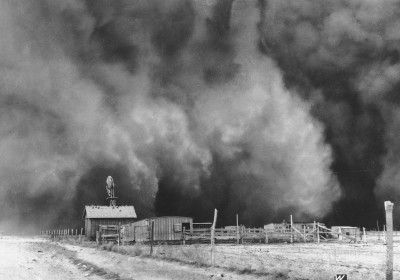

 SevenWoop